
Cross-Connection & Backflow Program
Protecting Our Community’s Drinking Water
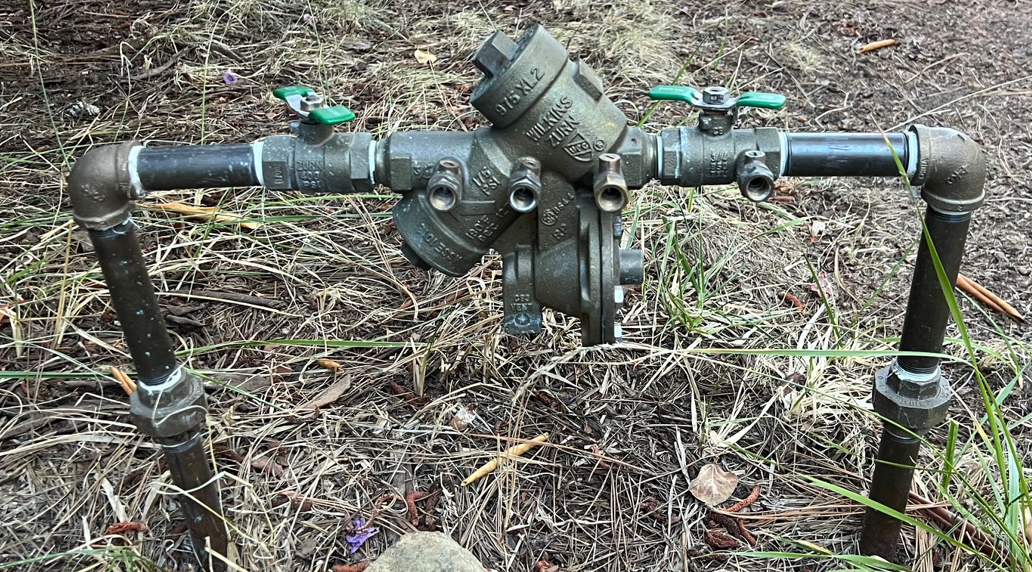
South Tahoe PUD is responsible for ensuring that our public drinking water system remains safe from contamination and pollution. One of the most important ways we do this is through our Cross-Connection Control and Backflow Prevention Program, which identifies potential hazards and ensures that all customers have the proper backflow protection in place.
To comply with California regulations and the State Water Resources Control Board’s Cross-Connection Control Policy Handbook, STPUD implements a comprehensive program that includes hazard assessments, approved backflow protection, annual testing, and ongoing oversight.
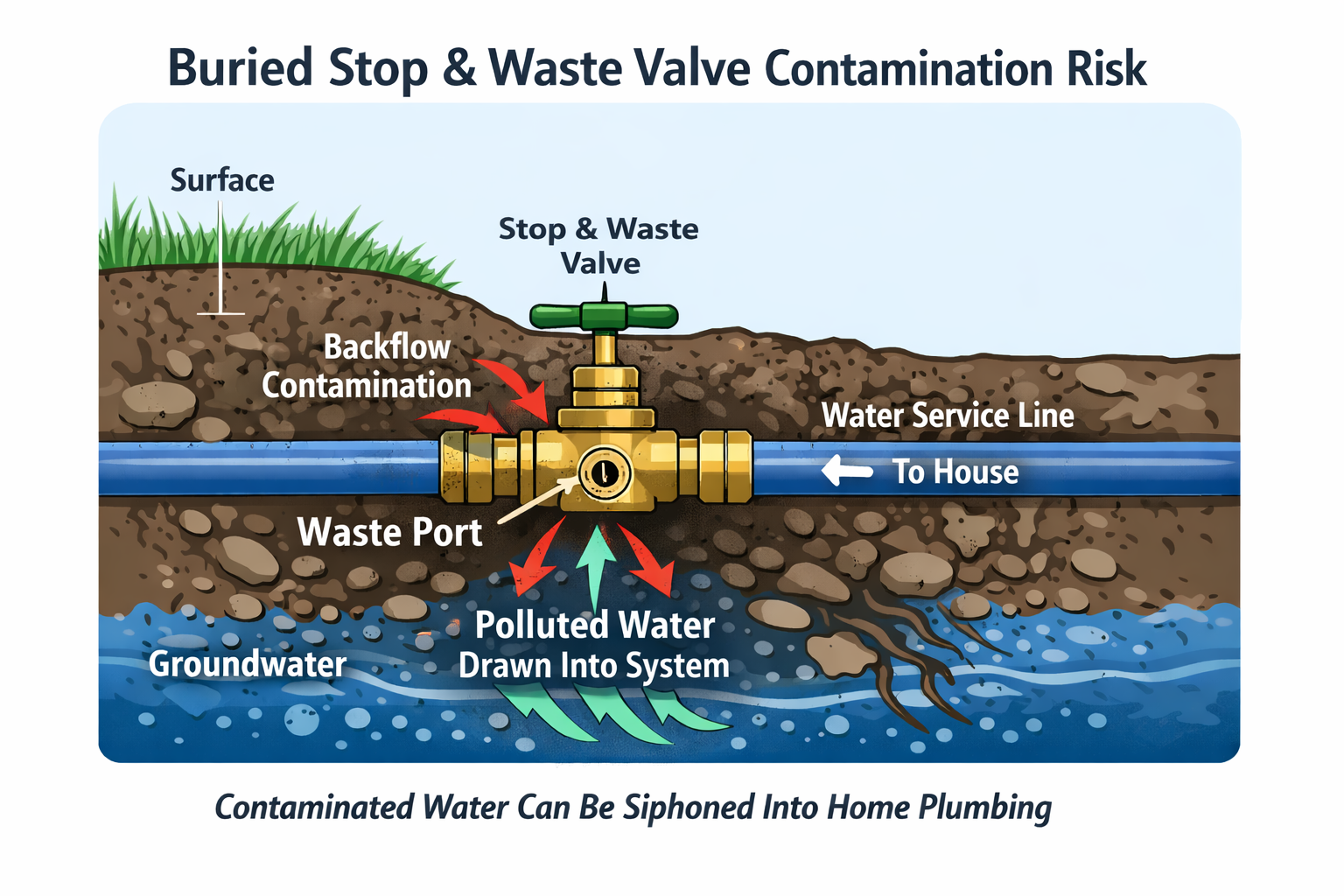
What is a Cross-Connection?
A cross-connection is any actual or potential link between a potable (clean, drinking) water supply and any source that could introduce contamination. These connections can be created by plumbing fixtures or equipment within the system. If not properly managed, pollutants and contaminants can enter the safe drinking water system through uncontrolled cross-connections, especially during backflow events.
Common examples include:
- Irrigation systems
- Buried stop & waste shut off valves
- Fire sprinkler systems
- Boilers and hydronic heating systems
- Chemical feed equipment
- Auxiliary water supplies such as wells or storage tanks
What is Backflow?
Backflow is the unwanted reversal of water flow from a customer’s plumbing system back into the public drinking water system. When this occurs, non-potable water, chemicals, or other substances can enter the potable water supply.
This can happen due to two main conditions:
- Backsiphonage — when pressure in the public water system drops, pulling water backward, which can occur during waterline breaks, repairs, or when the water supply is shut off.
- Backpressure — when customer-side pressure is higher than the pressure in the public system, pushing water backward. This typically happens when there are pumps, pressure vessels, or elevated plumbing involved.
Preventing Backflow: The Role of Backflow Preventers
Backflow preventers are mechanical devices that stop non-potable water from entering the potable water supply. These devices must be properly installed and maintained to ensure they function as intended.
For a backflow preventer to work effectively, it must:
- Be suited to the specific backflow hazard it is protecting against.
- Be installed in compliance with state regulations.
- Be tested annually by a state-certified tester.
- Be repaired as needed to maintain optimal performance.
STPUD’s program is designed to prevent backflow incidents and ensure compliance with state requirements. Key elements include:
-
Hazard Assessment
Review of customer properties, new construction, remodels, and system changes to determine what level of protection is required. -
Backflow Prevention Requirements
Installation of appropriate backflow prevention assemblies based on the degree of hazard. -
Approved Devices
Use of assemblies that are approved, properly sized, and correctly installed according to STPUD standards. -
Annual Testing
All backflow prevention assemblies must be tested at least once per year by a certified tester. -
Recordkeeping & Reporting
STPUD maintains records of all devices, test results, hazard classifications, and compliance actions. -
Public Outreach & Support
Ongoing education and guidance for customers, designers, and contractors